Family Dentistry
Children's Dental Health and the First Visit to the Dentist
Healthy habits start with the very first tooth. Here is practical advice for parents on caring for children's teeth and making the first dental visit a positive experience.
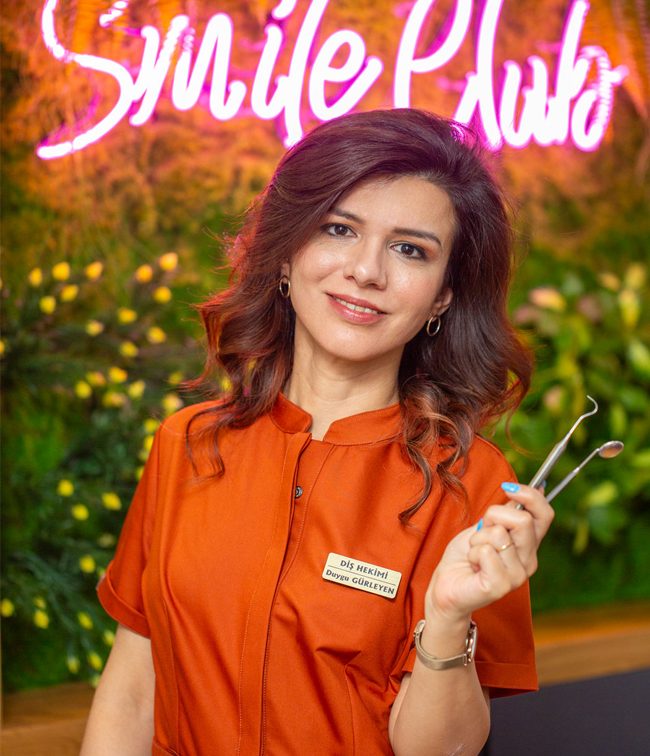 Dt. Duygu GürleyenPublished: · 6 min read

Children's dental health covers the care of baby teeth and developing permanent teeth, from the first tooth that appears to the teenage years. Baby teeth may be temporary, but they matter: they help children chew, speak clearly and keep space for the permanent teeth. At Alanya Dental Help, our dental clinic in Alanya, we believe that good habits and positive early experiences at the dentist lay the foundations for a lifetime of healthy teeth.
When should the first dental visit take place?
Many dental organisations recommend a first visit around the time the first tooth appears, or by the child's first birthday. This early visit is usually short and relaxed. It allows the dentist to check that the teeth and gums are developing normally and gives parents the chance to ask questions about brushing, feeding and teething.
Starting early also means the child gets used to the dental environment before any problem occurs. A first visit for a check-up is far more pleasant than a first visit because of toothache.
Caring for baby teeth at home
Daily care begins as soon as the first tooth comes through. Brushing should be done by a parent, as young children do not yet have the skills to clean their teeth properly. Common guidance includes:
- Brush twice a day, including last thing before bed
- Use a fluoride toothpaste in an amount suitable for the child's age: a smear for toddlers, a pea-sized amount for older children
- Encourage children to spit out the toothpaste rather than rinsing with lots of water
- Help or supervise brushing until children can do it well on their own, often until around the age of seven or eight
- Start cleaning between teeth once they touch, with your dentist's guidance
Nutrition and tooth decay in children
Tooth decay in children is closely linked to how often sugar is consumed, not only how much. Each time teeth come into contact with sugar, the bacteria in plaque produce acid that attacks the enamel. Frequent snacking or sipping sweet drinks throughout the day gives teeth little time to recover.
- Offer water or milk between meals rather than juice or soft drinks
- Keep sweets and sugary snacks to mealtimes where possible
- Avoid putting children to bed with a bottle of milk or juice
- Choose tooth-friendly snacks such as cheese, vegetables or plain yoghurt
Preventive treatments your dentist may suggest
Depending on your child's needs, the dentist may recommend preventive measures to strengthen the teeth. Fluoride varnish can be applied to help protect enamel. Fissure sealants, thin protective coatings painted onto the chewing surfaces of back teeth, can make the deep grooves easier to keep clean. If decay is found early, a small filling may be enough to stop it from progressing.
Your dentist will also keep an eye on how the teeth and jaws develop. If there are signs that orthodontic assessment may be useful later, this can be discussed in good time.
Making dental visits a positive experience
How children feel about the dentist often reflects how adults talk about it. Try to describe the visit in simple, positive words and avoid phrases like 'it won't hurt', which can actually create worry. Reading a children's book about the dentist or playing 'dentist' at home with a toy can help. On the day, a calm, well-rested child usually copes best, so morning appointments often work well.
Accidents happen too, especially during active holidays by the pool or on the playground. If a child knocks or chips a tooth, stay calm, rinse the mouth gently with water and contact a dentist as soon as possible. A knocked-out permanent tooth is an emergency: hold it by the crown, not the root, keep it moist, ideally in milk, and seek dental help immediately.
If you are spending time in the region as a family, you are welcome to ask our dentist in Alanya about a check-up for your child. We will let you know what we can offer and, if specialist paediatric care is needed, advise you on the next steps.
Have questions about your child's teeth? Book a free initial consultation at Alanya Dental Help or send us a message on WhatsApp at +90 506 994 81 44, and our team will be glad to help your family.
Frequently Asked Questions
Why do baby teeth need fillings if they fall out anyway?
Baby teeth hold space for the permanent teeth and are needed for chewing and speech for many years. Decay can cause pain and infection and may affect the developing permanent teeth. Treating it early protects your child's comfort and future teeth.
How much toothpaste should my child use?
For young children, a thin smear of fluoride toothpaste is usually recommended, increasing to a pea-sized amount as they grow older. Ask your dentist about the right fluoride level for your child's age.
What if my child is afraid of the dentist?
Start with short, simple check-ups and talk about the visit in positive terms. Tell the dental team about your child's fears beforehand so they can take extra time. Many children become more relaxed after a few calm visits.
Free consultation — Leave your details and the Alanya Dental Help team will call you back shortly.