Oral Health
Bleeding Gums: Causes, Warning Signs and Prevention
Bleeding gums are common, but they are not normal. Find out what usually causes them, when they signal gum disease and which habits help your gums stay healthy.
 Dt. Duygu GürleyenPublished: · 6 min read
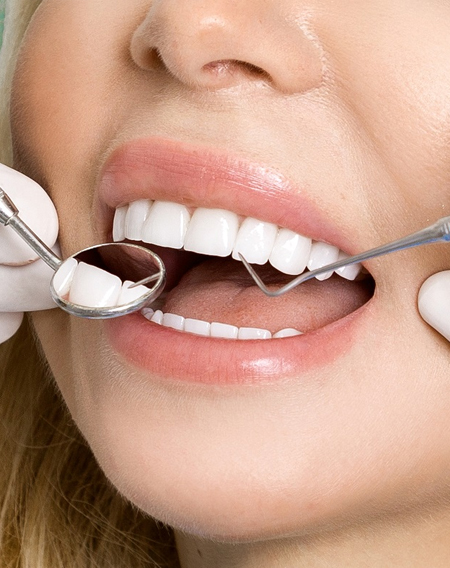
Bleeding gums are gums that bleed during brushing, flossing or eating, and in most cases they are a sign of inflammation caused by plaque along the gum line. Many people see a little pink in the sink and ignore it, but healthy gums should not bleed during normal cleaning. At Alanya Dental Help, our dental clinic in Alanya, we see bleeding gums as an early warning signal that is well worth taking seriously, because it is usually easy to treat at this stage.
The most common cause: plaque and gingivitis
Plaque is a soft, sticky film of bacteria that forms on the teeth every day. When it is not removed thoroughly, especially along the gum line and between the teeth, the gums react with inflammation. This early stage of gum disease is called gingivitis. Typical signs include red, swollen or tender gums that bleed easily.
The good news is that gingivitis is usually reversible. With professional cleaning and improved daily hygiene, the gums often calm down within a few weeks. If plaque hardens into tartar (calculus), it can no longer be removed with a toothbrush and needs to be cleaned by a dental professional.
When gingivitis turns into periodontitis
If inflammation continues for a long time, it can spread below the gum line and begin to affect the bone and fibres that hold the teeth in place. This more advanced stage is called periodontitis. It often develops slowly and without pain, which is why it may go unnoticed for years.
- Gums that bleed regularly or look red and swollen
- Gums pulling back from the teeth, making them look longer
- Persistent bad breath or a bad taste
- Pockets of pus or tenderness along the gum line
- Teeth that feel loose or have changed position
- Changes in how your teeth fit together when you bite
If you notice any of these signs, it is important to see a dentist. Periodontitis can be managed, but lost bone does not grow back by itself, so early treatment makes a real difference.
Other factors that can make gums bleed
While plaque is the most frequent cause, several other factors can make gums more prone to bleeding or mask the problem:
- Brushing too hard or using a hard-bristled toothbrush
- Starting to floss after a long break, which may cause mild bleeding for a few days
- Hormonal changes, for example during pregnancy
- Certain medications, such as blood thinners
- Diabetes and some other general health conditions
- Smoking, which can reduce visible bleeding while gum disease progresses
If bleeding is unusual, very heavy or accompanied by other symptoms such as easy bruising, it is also worth speaking to your doctor.
How to prevent bleeding gums
Prevention is mostly about removing plaque gently but thoroughly every day. Brush twice a day for about two minutes with a soft brush, angling the bristles towards the gum line. Clean between the teeth once a day with floss or interdental brushes in the size your dentist recommends. A balanced diet, not smoking and managing conditions such as diabetes also support healthy gums.
Regular professional cleaning removes tartar that home care cannot reach. Many people benefit from a check-up and cleaning once or twice a year, while those with a history of gum disease may need more frequent visits, as advised by their dentist.
Gum care before other dental treatment
Healthy gums are the foundation for almost every other treatment, from fillings to crowns, veneers and implants. If you are planning dental treatment in Turkey, we always check gum health first, because inflamed gums can affect both the procedure and the long-term result. In many cases, a professional cleaning and some changes to home care at the start of your stay are enough to prepare the gums. More advanced gum problems may need additional treatment and time, which your dentist in Alanya will discuss with you openly.
Bleeding gums are a message from your mouth that something needs attention. If you have noticed bleeding, book a free initial consultation at Alanya Dental Help or send us a message on WhatsApp at +90 506 994 81 44. We will examine your gums and recommend a simple, effective plan.
Frequently Asked Questions
Is it normal for gums to bleed a little when brushing?
Occasional bleeding can happen, for example after brushing too hard, but regular bleeding is not normal. It is usually a sign of inflammation caused by plaque. A dental check-up can find the cause and stop it early.
Can bleeding gums heal on their own?
Mild gingivitis often improves with better daily brushing and cleaning between the teeth, especially after a professional cleaning. If bleeding continues for more than a couple of weeks despite good care, see a dentist.
Should I use a mouthwash for bleeding gums?
Some mouthwashes can help in the short term, but they do not replace brushing and cleaning between the teeth. Ask your dentist which product suits you, as some are intended only for limited use.
Free consultation — Leave your details and the Alanya Dental Help team will call you back shortly.