Crowns & Veneers
Zirconium or Porcelain? Choosing the Right Crown for You
Zirconium and porcelain crowns both restore damaged teeth, but they differ in strength, look and where they work best. Here is a clear comparison to help you discuss options with your dentist.
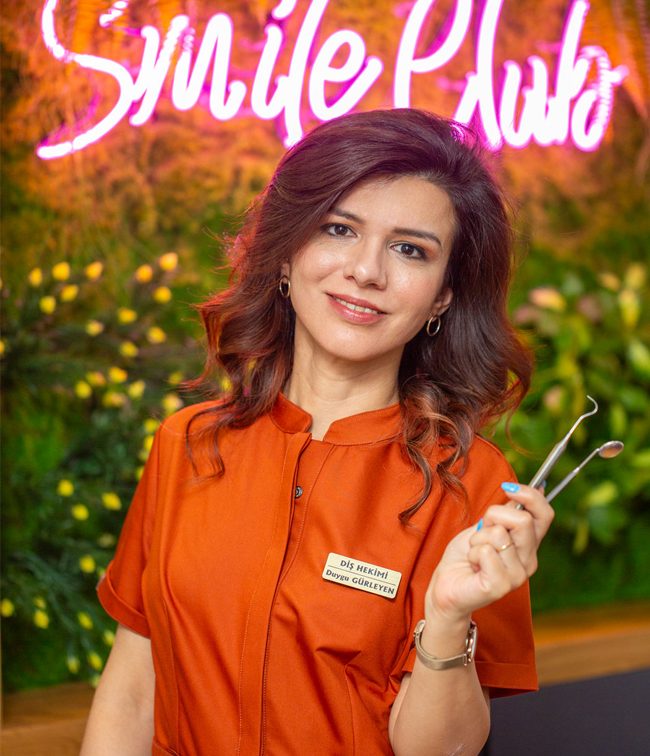 Dt. Duygu GürleyenPublished: · 6 min read

A dental crown is a custom-made cap that covers a damaged or weakened tooth to restore its shape, strength and appearance. Two of the materials patients ask us about most often are zirconium (zirconia) and porcelain. At Alanya Dental Help, a dental clinic in Alanya, we use both, and the right choice depends on the tooth, your bite and your aesthetic goals. Here is how they compare.
What is a zirconium crown?
Zirconium crowns are made from zirconia, a very strong, tooth-coloured ceramic material that contains no metal. They are milled with digital technology from a solid block and can be layered with porcelain on the surface for a more lifelike appearance. Because zirconia is highly resistant to fracture, it is often chosen for back teeth that handle heavy chewing forces, for bridges and for patients who need extra durability.
Another advantage is that, without a metal core, there is no dark line at the gum margin, which can sometimes appear with older metal-supported crowns when the gums recede.
What is a porcelain crown?
The term porcelain crown covers several types. Traditional porcelain-fused-to-metal crowns have a metal framework covered with porcelain; they are strong but less translucent. All-ceramic crowns, made entirely from glass-based ceramics, let light pass through in a way that closely mimics natural enamel. They are particularly popular for front teeth, where appearance matters most.
Comparing the two
- Strength: zirconium is generally the more robust option for molars and longer bridges
- Aesthetics: all-ceramic porcelain often offers the most natural translucency for front teeth
- Metal-free: zirconium and all-ceramic crowns contain no metal; metal-supported porcelain does
- Tooth preparation: the amount of reshaping depends on the material and the case
- Bite: heavy grinders may benefit from stronger materials and a night guard
In practice, many smiles combine materials. A patient might receive zirconium crowns on back teeth for strength and all-ceramic crowns or veneers on front teeth for aesthetics. What matters is that each tooth gets the material that suits its function.
How is the decision made?
When you visit our dentist in Alanya, we look at the remaining tooth structure, the health of the gums and roots, how your teeth meet when you bite, any history of grinding and the colour of your neighbouring teeth. We also ask what matters most to you. Some patients prioritise maximum durability, others a very natural look on the front teeth. Combining your preferences with clinical findings leads to a plan you can trust.
It is also worth knowing that a crown is not always the answer. If a tooth is only slightly damaged, a filling or a veneer may be a more conservative choice, and we will tell you if that is the case.
Getting crowns in Alanya as a visitor
For international patients combining dental treatment in Turkey with a holiday, zirconium crowns in Alanya usually require several appointments over roughly one to two weeks, depending on the number of crowns and whether any preparatory work such as root canal treatment is needed. The usual sequence is examination, tooth preparation and digital or traditional impressions, temporary crowns, a try-in and the final cementation.
Once fitted, crowns are cared for just like natural teeth: brush twice a day, clean between the teeth daily and attend regular check-ups, because the tooth underneath can still decay at the margins if hygiene is neglected.
During the first days with new crowns, it is normal for the bite to feel slightly different while your tongue and jaw get used to the new shapes. Mild sensitivity to cold can also occur for a short time, especially if the teeth were recently prepared. If a crown feels high when you bite, or if sensitivity does not settle, let us know before you leave Alanya so that we can adjust it. Small refinements like these are a normal part of the process and help your new teeth feel truly comfortable in everyday life.
Find the right crown with us
Not sure whether zirconium or porcelain suits you? Book a free initial consultation at Alanya Dental Help or send us a message on WhatsApp at +90 506 994 81 44. We will examine your teeth and explain the options in plain language.
Frequently Asked Questions
Do zirconium crowns look natural?
Modern zirconium crowns can look very natural, especially when layered with porcelain on the surface. For front teeth, some patients prefer all-ceramic crowns for extra translucency. Your dentist will recommend what suits each tooth.
How long do crowns usually last?
With good hygiene and regular check-ups, crowns can serve for many years. Their lifespan depends on factors such as your bite, grinding habits, gum health and how well the tooth underneath is cared for.
Can I have crowns if I grind my teeth?
Often yes, but grinding needs to be taken into account. Stronger materials such as zirconium are frequently chosen, and a night guard is usually recommended to protect both the crowns and your natural teeth.
Free consultation — Leave your details and the Alanya Dental Help team will call you back shortly.