General Dentistry
Afraid of Root Canal Treatment? What You Should Know
Root canal treatment has a reputation it no longer deserves. We explain what the procedure involves, how it feels and why it is often the best way to keep a natural tooth.
 Dt. Duygu GürleyenPublished: · 6 min read
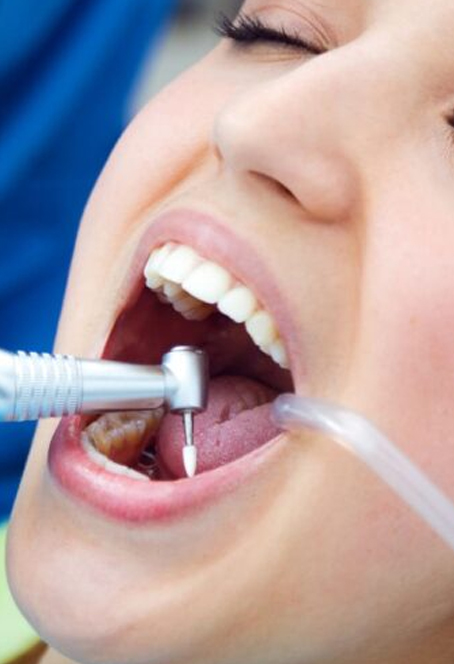
Root canal treatment is a procedure that removes infected or inflamed tissue from inside a tooth, cleans and disinfects the root canals and then seals them to save the natural tooth. Few dental treatments cause as much anxiety, yet for many patients the experience is far calmer than expected. At Alanya Dental Help, our dental clinic in Alanya, we take time to explain each step, because understanding the procedure is often the best cure for fear.
Why would a tooth need a root canal?
Inside every tooth is the pulp, a soft tissue containing nerves and blood vessels. When deep decay, a crack, repeated dental work or an injury allows bacteria to reach the pulp, it can become inflamed or infected. Without treatment, the infection may spread to the bone around the root and form an abscess.
- Lingering pain when eating or drinking something hot or cold
- Spontaneous throbbing pain, sometimes worse at night
- Pain when biting or touching the tooth
- Swelling of the gum or a small pimple-like spot near the tooth
- Darkening of the tooth
Some infected teeth cause no symptoms at all and are only found on an X-ray, which is one more reason regular check-ups are worthwhile.
Does root canal treatment hurt?
This is the question we hear most. Root canal treatment is carried out under local anaesthesia, so the tooth and surrounding area are numb during the procedure. Most patients describe the sensation as similar to having a larger filling. In fact, the treatment usually relieves the pain caused by the infection rather than creating it.
After treatment, the tooth may feel tender for a few days, especially when biting. This is normal and is usually manageable with common pain relief recommended by your dentist. If you feel anxious, tell us at the start; we can agree on a signal to pause at any time.
What happens during the procedure?
After the area is numbed, the dentist isolates the tooth to keep it clean and dry. A small opening is made in the crown of the tooth to reach the pulp. The infected tissue is removed, and the canals are carefully shaped, cleaned and disinfected. Finally, the canals are filled with a sealing material and the opening is closed with a temporary or permanent filling.
Depending on the tooth and the degree of infection, root canal treatment usually takes one or two appointments. Back teeth have more canals and may take longer than front teeth. Your dentist in Alanya will explain what to expect in your case after examining the X-rays.
After treatment: protecting the tooth
A root-treated tooth no longer has a living nerve, but it remains in your jaw and continues to function. However, it can become more brittle over time, particularly if a large part of it was lost to decay. For this reason, back teeth in particular are often restored with a crown after root canal treatment to protect them from fracture. Your dentist will advise whether this is needed.
Good daily hygiene and regular check-ups remain important, because the tooth can still be affected by new decay or gum disease.
If the tooth is closed with a temporary filling at first, be gentle with it until the final restoration is placed. Avoid sticky or very hard foods on that side, and contact us if the temporary filling feels loose or if pain or swelling increases instead of improving over the following days.
Root canal treatment as a visitor to Alanya
If you are combining dental treatment in Turkey with a holiday, root canal treatment in Alanya can often be completed during a normal stay, though we recommend allowing some flexibility in case a second visit is needed. Root canal treatment is also commonly carried out before crowns or bridges are placed, so it may form part of a larger treatment plan. Avoid scheduling long excursions on the day of treatment, and keep pain relief to hand for the first evening.
If you have a painful tooth or have been told you need a root canal, we are here to help. Book a free initial consultation at Alanya Dental Help or send us a message on WhatsApp at +90 506 994 81 44, and we will examine the tooth and explain your options calmly and clearly.
Frequently Asked Questions
Is it better to extract the tooth instead?
Keeping your natural tooth is usually the preferred option when it can be saved. Extraction may seem simpler, but a missing tooth often needs replacing later with an implant or bridge. Your dentist will discuss whether the tooth can be predictably saved.
How many visits does a root canal usually need?
Many root canal treatments are completed in one or two visits. More complex teeth or severe infections may need additional appointments. The exact number depends on the tooth and is decided after examination.
Can I fly after root canal treatment?
In most cases, flying after root canal treatment is not a problem. If you have significant swelling or pain, contact your dentist before travelling. We will advise you based on your specific situation.
Free consultation — Leave your details and the Alanya Dental Help team will call you back shortly.